Clean & Heal
Declutter, clean up and cut the chemicals: the planet recovers fast when we stop burdening it.
Read Day 1 →Home / 11 Days For Earth's Healing
#11DFEH · 11 days a year to let the planet heal. Every year from 1 May, ARDEA invites the world to rest the planet for 11 days: not by stopping life, but by stopping what harms it. Season 7 runs from 1 to 11 May 2027.
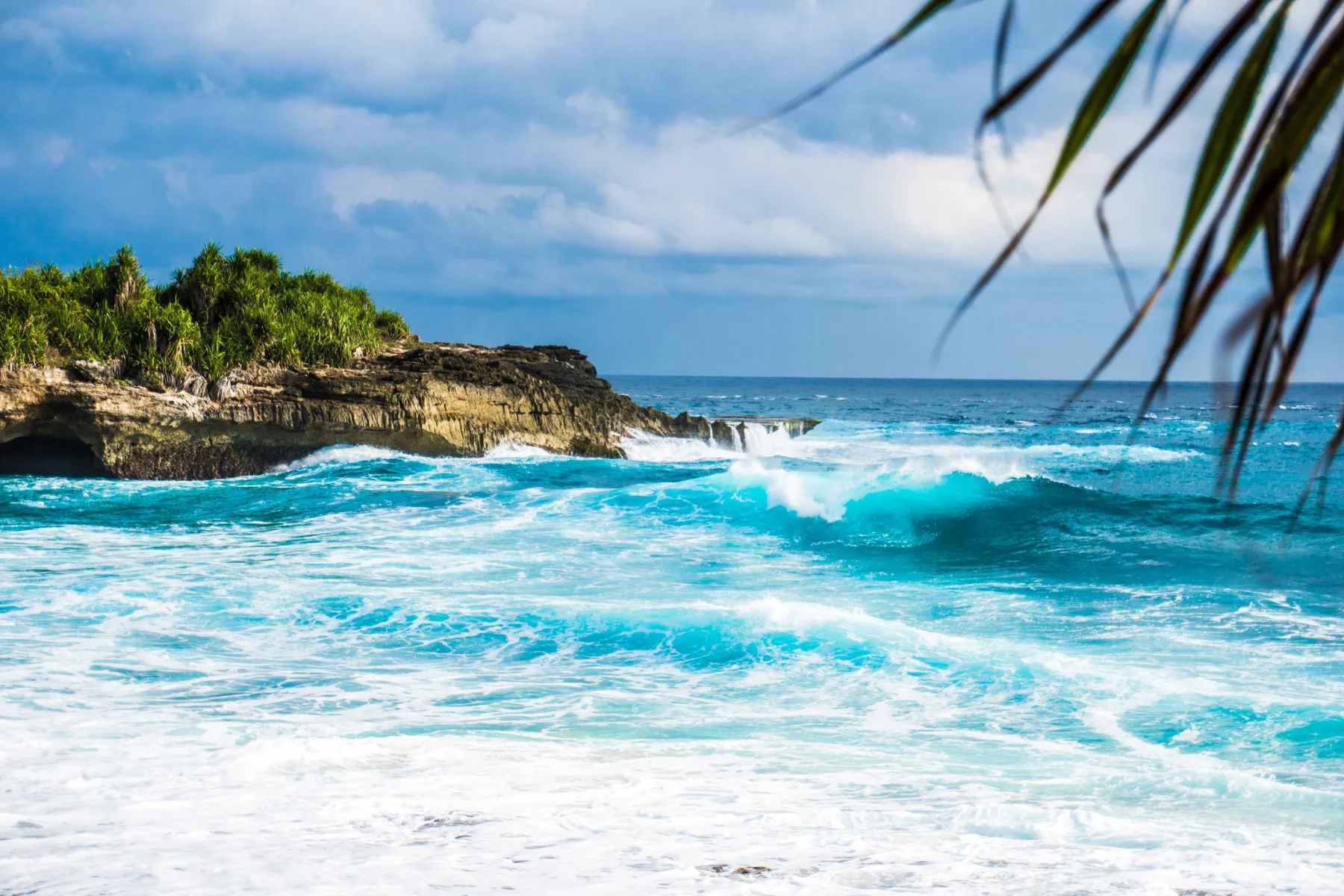
In the spring of 2020, within weeks of the world staying home, skies cleared, rivers such as the Ganga ran clean, and birds and animals unseen for years returned. The Earth showed how quickly it can heal.
The lockdown was forced, and painful. 11 Days For Earth's Healing asks: what if humanity chose a pause, voluntarily, every year? Life and work continue, at home, on foot, by bicycle, but nothing that pollutes. Summer, the season of highest impact, is the time to rest the planet.
Over time, the aim is for these 11 days to become a celebration: a time when everyone knows the air is lighter, and so is our conscience.
"Up until last year, slowing down the world for 11 days would have sounded impossible. But from our experience of the last few months, the unthinkable is now thinkable."
Zunaid Memon, Founder, in letters to heads of state, 16 June 2020Zunaid Memon introduces 11 Days For Earth's Healing: why the Earth needs a yearly rest, and how every citizen, company and government can take part.
Spoken in Hindi. English subtitles on YouTube (CC), or read it in English below.
“हम पृथ्वी के इस पूरे सिस्टम को ठीक करने के लिए ज़िम्मेदार हैं, क्योंकि हमने ही इसे ख़राब किया है।”
“We are responsible for fixing this whole system of the Earth, because we are the ones who broke it.”
Plays from YouTube. Turn on captions (CC) and choose auto-translate for your language.
Read the talk in English ↓Good evening, Eartherians. My name is Zunaid Memon. I have made many videos on this subject before, in English, and many of our friends told me that a lot of it was hard to follow: what we are doing in the name of Eleven Days For Earth's Healing, what kind of work this initiative is. So today I am here to explain, in Hindi, what this campaign is, how it began, and what its long-term impact on the world is going to be.
First, my name is Zunaid. By profession I work in advertising and feature films, and ten years ago I started a social initiative: for ten years now we have been running, for farmers, a TV channel that gives them knowledge and information with great care. Because of it, you can see today that after ten years of hard work, farmers have been deeply influenced. Their voice is much stronger than before, and the way they work is changing. We hope that 25 years from now we will not see farmers the way India's farmers have been seen for the past 50 years. We will modernise, and our farmers will earn better and better money.
That is our older initiative. Then, during the lockdown, when the whole world had come to a stop, we noticed an impact, one we could see across our whole environment.
As soon as the lockdown began, we saw that within a week or ten days our sky cleared completely, our rivers ran clean, and birds and many wild animals that had not been seen for years began to appear around us. So in some way, this lockdown had a very positive impact. Although all of us also lived through a very hard time during the Corona pandemic, and despite that, there was a positive impact. And we thought: how can we keep this positive impact forever? Because what nature did on its own was not possible for us humans. We could never clean up like that. Look how the Ganga became clean after one month of lockdown. You can't imagine the change. For us humans, we never expected we could do something like that. And that is where a thought, an idea came: could we voluntarily, of our own free will, shut the Earth down again for 11 days, every year? If we can do this, then the damage we have done to the Earth over the past 50 years can be repaired.
How did the damage happen? Let me tell you very briefly, so we don't lose too much time. The damage began, basically, with mining: digging metals, minerals and oil out of the earth. Then came buildings and construction, and this race for progress that we are running. In thousands, even millions of years of Earth's history, the progress we have made in 300 years, and all the mining we have done in the past 50 years, has never happened before in the history of the world.
Because of it, this climate change, this change in climate we keep talking about, has its biggest causes here: the use of petrol, metal, cement and coal. We have overused everything, so much that it is now getting hard to manage. And because of that, our temperature starts rising. The Earth's temperature has already begun to rise. If it goes up by one more point, then all the glaciers, like those in the Himalayas, and all the ice at the North and South Poles, will start to melt, and we will be back in that same world: the Great Flood that every religion speaks of, the deluge in which the whole Earth goes under water. Imagine: if all that ice melts, the whole Earth will be destroyed again.
To save it... I am telling you this very simply, in plain language. There can be many scientific analyses of this; I am not getting into the science here. In an ordinary person's language, I will tell you what climate change will do, what all of us may get to see. And the biggest danger, which could come soon, within 10 or 15 years, is for places on the sea coast: a city like Mumbai, a place like Goa. These places are at greater risk. Anyway, for now let's not get specific; let's look at the whole world.
So what did we do? We began writing letters to every prime minister, president, and every king and ruler in the world, saying that we must make a start on this, because it has to be done. The response has not been very positive everywhere, but many people showed real curiosity and said the Earth really needs this. If someone had told us this before the lockdown, we probably would not have believed it was possible.
But because we saw this impact during the lockdown, saw this change in the Earth, it was essential to put it into practice: for 11 days, of our own free will, we lock down. But that does not mean you sit at home as you did during the Corona pandemic. You will absolutely keep working, and there will be no restrictions. You can move freely on the roads. If you can, ride a bicycle. If you can, walk. If you can, work from home, or else go to work if your office is close by. If you have a battery-operated car, use that. The point is that during this time we must not do a single thing, in these eleven days, that pollutes the environment.
What will the benefits be? I will tell you briefly. You cannot even imagine how big the possibility is. Humans alone do not keep this Earth running. Along with humans, our ecosystem holds so many things: from the tiniest microbes to animals, trees and plants. Every one of them has a small role in our lives. We never notice that role. You don't even know what it is doing for you. The earthworms in the soil: without them, there can be no farming. Without honeybees, pollen stops reaching flowers, what we call pollination in English. And without that, plants stop growing, and farming... think, if there is no farming, what will we do?
Have we ever really felt this? We might have no clothes, no roof over our heads, but the biggest thing the lockdown taught us was food. The thing we needed three times a day was food. Clothes? We managed with one or two sets; the shirts and jeans just lay at home. We did not need them. Not clothes: food was what mattered most. So we must protect our food. Everyone needs it: when you are hungry, you need food. But if there are no honeybees, what will we do? They have a role in our lives. All the trees and plants growing around you: without them, where will you get oxygen?
But do you know the name of the tree right next to you, or what role that tree plays in nature? Most of us don't. And if some do, it is only a handful, mostly people in villages, who will say: this is a peepal tree, this is a neem tree, this is what it gives us. But not in detail, and in cities hardly at all. Beyond trees there are plants; beyond plants, tiny creatures and birds: the sparrow, the gauraiya as we call it. The sparrow does exactly the same work as the honeybee. Have we ever tried at least to look after sparrows, to give them food and water, so they can do more pollination for us? We don't think about any of this.
Because the human being is a very selfish animal on this Earth. But if we never learn to be selfless, this Earth may be finished within 50 years. So not just for ourselves, but for all the generations still to come, we must give this time, make this contribution: give those 11 days of our lives, wake up as many people as we can, and explain this to as many people as possible.
And if you have any question or problem about this, ask us. We have a very big army of people. And this is not only for India. For the first time, a campaign like this is going from India to the world, rooted in our own culture. In Indian culture, the worship of nature was written first. We worship mountains, we worship trees, we worship animals, we worship rivers, Mother Nature, everything. A country that worships everything cannot look after itself, and we are struggling with a very big environmental problem. But it is with this very lesson that we are going to the world. The whole world will have to listen: how important this work is, and how important it is for us to respect nature, walk with nature and protect nature.
If we don't need something, don't use it. If God has given us plenty, money and great wealth, even then, don't waste it. 'I will take food and waste it.' 'I will burn petrol: I am one man travelling, but a convoy of twenty cars will go with me, because I am a big man.' All the petrol you burn comes from the ground, and one day it will run out. And the heat it creates, the smoke and pollution it spreads in the air: how will you stop that? And it will reach your children. It will not stop with you, who will one day be gone. Your children will have to carry oxygen cylinders around. We have to think about these things.
I wanted to give this message in Hindi for the first time today because many friends kept telling me: 'You speak in English, you talk to the whole world, but you don't talk to your own people.' So I want all of you to join us. If you are watching this and want to, dub it into your own language: Tamil, Telugu, Malayalam, Bengali, Kannada, whatever language you speak. Share these videos with people, dub them and share them, talk about it yourself, visit us, become a volunteer. This news, this message, must reach people.
This issue, this way of thinking, must reach people: that we are responsible for fixing this whole system of the Earth, because we are the ones who broke it. And especially people my age, who are now 45 or 50: all of them have witnessed this whole thing. This entire situation we have seen in our lifetime, you have watched it happen in front of you. We began life with bullock carts and have lived to see trains and aeroplanes. We have gone from typewriters to computers and mobile phones. All of us have witnessed these 40 or 50 years of progress.
So, friends, your responsibility is the greatest: how you prepare your generation and the next one. I will be ready for your questions and for your suggestions. You can write to us anywhere, like, share and comment on social media, and as far as you can, join us as partners. Because running this is not something one person or one organisation can do. When we are trying to talk to the whole world, we have to bring 7.5 billion people into this. Remember: Eleven Days For Earth's Healing. That is the name of this campaign: 11 days for healing the Earth. Beyond that, if you want to do small things, you can change small habits every day, and ask what we can do better for the environment. Whatever suggestions you have, we will be waiting for them.
Thank you. My name is Zunaid Memon. Our foundation is called Agriculture Rural Development & Environmental Awareness Foundation, ARDEA Foundation for short. It is taking you towards a campaign that is trying to bring change to the whole world, and that is not possible without you and your support. Thank you.
Translated from the original Hindi.
What you can do yourself, every day of the year. You don't have to wait for May. Every individual response counts.
 01
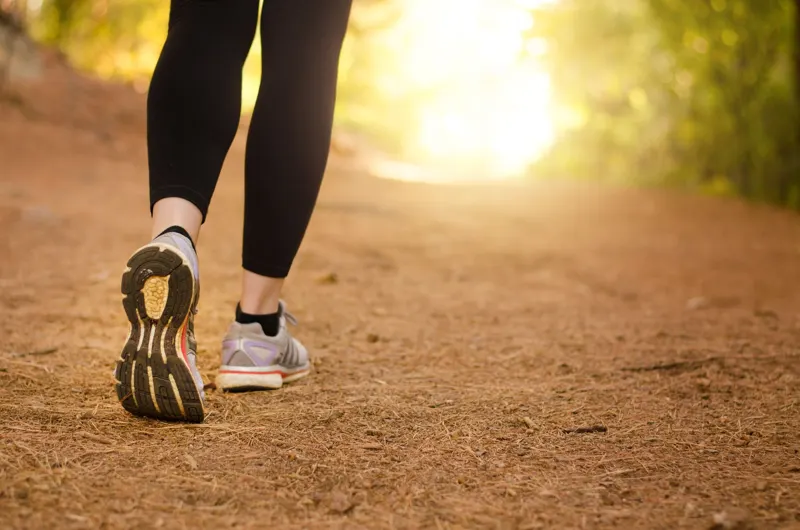
Walk around, trek away. Within 3 km of home, use no vehicle. Take the stairs. Trek into the wild or the countryside.
Avoiding just 15 km of driving a week removes about a quarter tonne of CO₂ a year.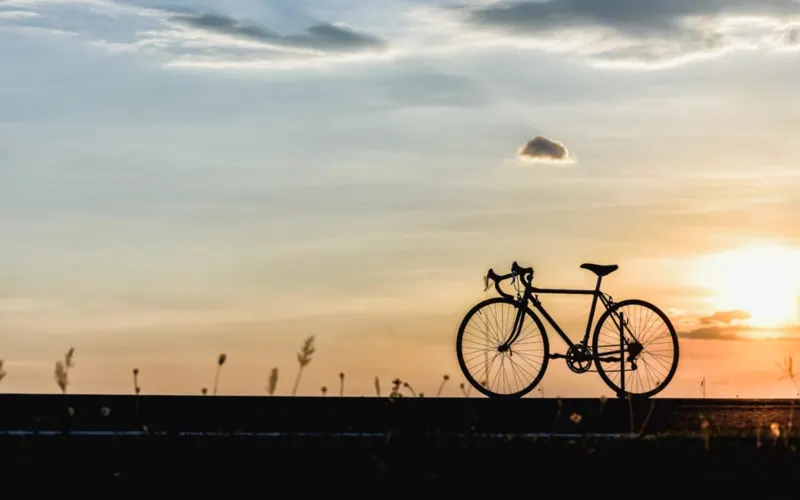 02
In the city, across the country. Choose the bicycle for every journey you can; join a cycling expedition.
Cycling even one day a week can cut a personal carbon footprint by about half a tonne a year. 03
If you must travel, share. Avoid journeys during the 11 days; if one is unavoidable, use public transport.
Individual passenger transport causes most transport emissions; mass transit cuts them sharply.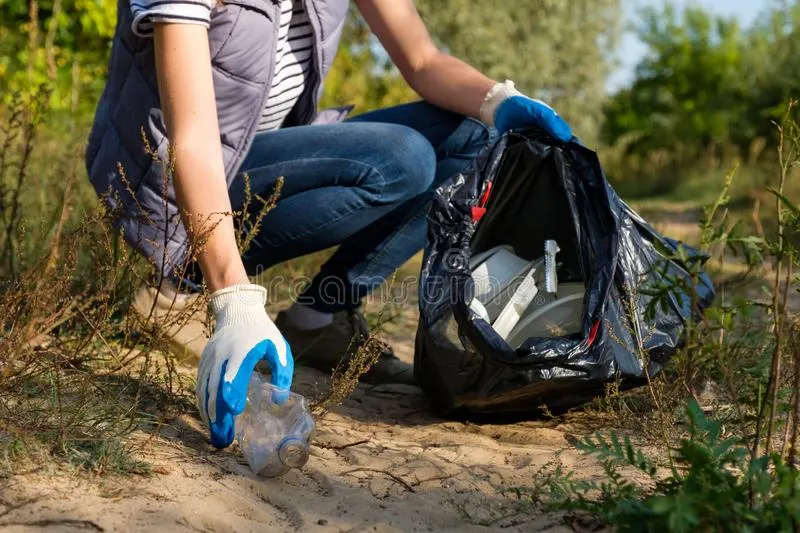 04
Fewer chemicals, less plastic. Stop using plastics and farm chemicals and help mop up what is already in the environment.
By 2050, plastic in the oceans may outweigh all the fish.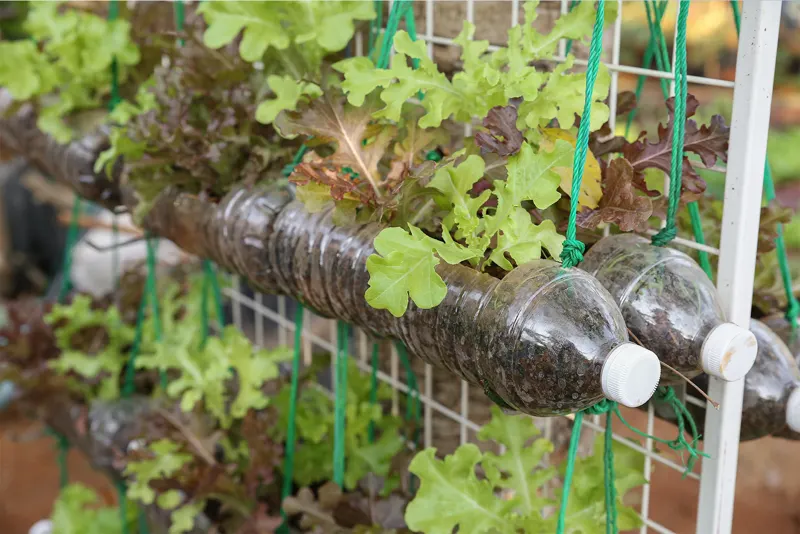 05
Throw less, recycle more. Before discarding anything, find it a humble use. Choose permanent things over disposable ones.
Global recycling from 2020 to 2050 could avoid about 6 gigatonnes of CO₂.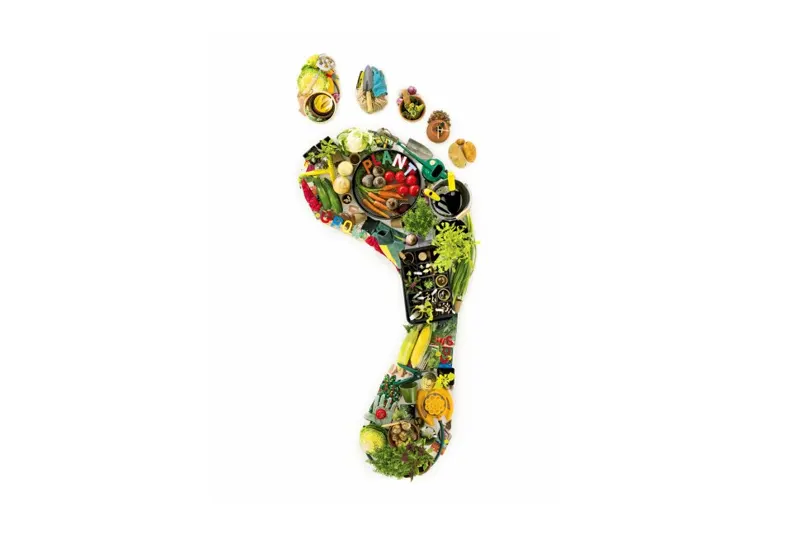 06
Be flexitarian. Stay vegetarian for the 11 days, and eat less meat for the rest of the year.
Halving animal protein can cut a diet's carbon footprint by more than 40%.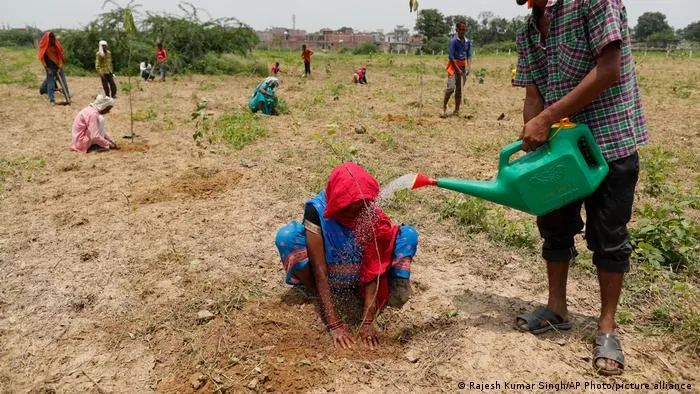 07
Sow a seed, plant a sapling. Grow edible greens in earthen pots; plant saplings in yards, parks and barren land.
One tree per person per year for 20 years would mean about 160 billion new trees. 08
Conserve water, save power. Switch to LED, set the AC at 26°C or use a fan, and waste no water.
Halving household power use would cut total emissions by about a tenth.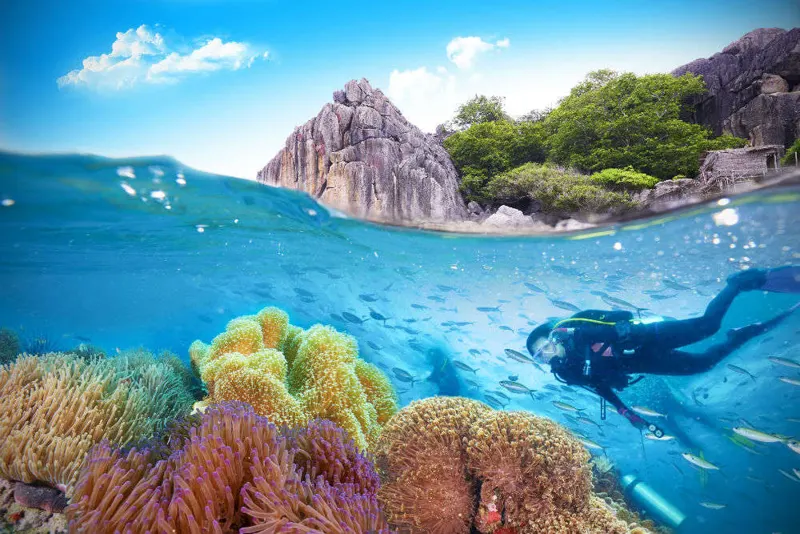 09
Go away, stay away. Spend time with family in nature, away from routine and consumption.
Tourism causes about 8% of emissions; an eco-friendly holiday reduces yours. 10
Read a book, teach someone. Learn a skill, read, teach, and share what you know about the climate.
Climate education for a fraction of students could avoid gigatonnes of CO₂ by 2050. 11
Watch the world, engage the mind. Observe the life around you; write, paint, sing, or simply rest.
By early April 2020, with the world at home, daily global CO₂ emissions had fallen by about 17%.Figures summarised from published climate research cited in ARDEA's 11 Days programme material.
From 1 to 11 May, each day is dedicated to one of the Earth's great causes. Some, like protecting elephants or the ocean, are work for governments, companies and institutions; you may not act on them directly, but you can understand them, speak for them and support them. Nations and communities can observe all eleven, or mix and match the ones that fit their season and situation.
Declutter, clean up and cut the chemicals: the planet recovers fast when we stop burdening it.
Read Day 1 →Leave the car: walk and cycle for 11 days, and let the air of our cities clear.
Read Day 2 →Bees and birds, the small engineers our food and forests depend on.
Read Day 3 →Green corridors that let bees, birds and wildlife move across a divided land.
Read Day 4 →Elephants, the gentle giants who plant forests, and the conflict that threatens them.
Read Day 5 →Mountains, the water towers of the world, holding the land and its life together.
Read Day 6 →The ocean, larger than all the land on Earth: the source of much of our oxygen, and in crisis.
Read Day 7 →The right of every living being, every Eartherian, to exist and prosper.
Read Day 8 →Indigenous peoples, the guardians of nature, and the wisdom we cannot afford to lose.
Read Day 9 →Switch off: what our devices cost the planet, from mining to electronic waste.
Read Day 10 →Fast for a day, waste nothing, and stand for a world where no one sleeps hungry.
Read Day 11 →World Bee Day, World Oceans Day, World Migratory Bird Day and many more share the causes of the 11 days. Keep your day, and bring your work to 1 to 11 May too.
11 Days For Earth's Healing belongs to no single country. Anyone, anywhere, can observe it, and volunteers are translating it into their own languages.
11 Days For Earth's Healing is designed to strengthen, not replace, the commitments nations have already made: the UN climate treaties, the Biodiversity Convention and the Sustainable Development Goals.
On 16 June 2020, while the world was still trying to return to normal, ARDEA wrote to presidents, prime ministers and monarchs around the world, and to global environmental organisations, inviting them to join a voluntary 11-day pause from 1 May 2021: ceasing non-essential air, road and sea traffic, commercial fishing, factory production and construction, for the planet's sake.
The idea was designed, named and launched with no government or corporate support. ARDEA acts first and invites partners after.
Governments can adopt the national charter; cities, universities and companies can adopt the institutional charter for their people. We will help you plan it.